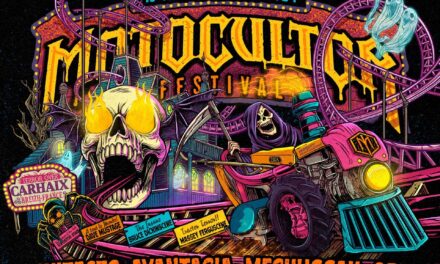
The 2026 edition of Motocultor confirmed that the Breton festival is no longer simply a smaller alternative to Europe’s major metal gatherings. Four days, four stages, approximately 110 bands and 61,000 attendees defined its seventeenth edition, which once again combined musical diversity, a close connection with the audience and a distinctive atmosphere. This time, however, there was an unexpected protagonist accompanying musicians and festivalgoers throughout much of the event: heat and dust.
Held from August 13 to 16 at Kerampuilh, in Carhaix-Plouguer, Finistère, Motocultor returned to a site that has increasingly become part of its identity and its place within Brittany’s cultural landscape. Its fourth consecutive edition in Carhaix demonstrates that the move from Saint-Nolff, in Morbihan, is no longer a transition but an established chapter in the festival’s history.
Brittany under an unexpected desert sun
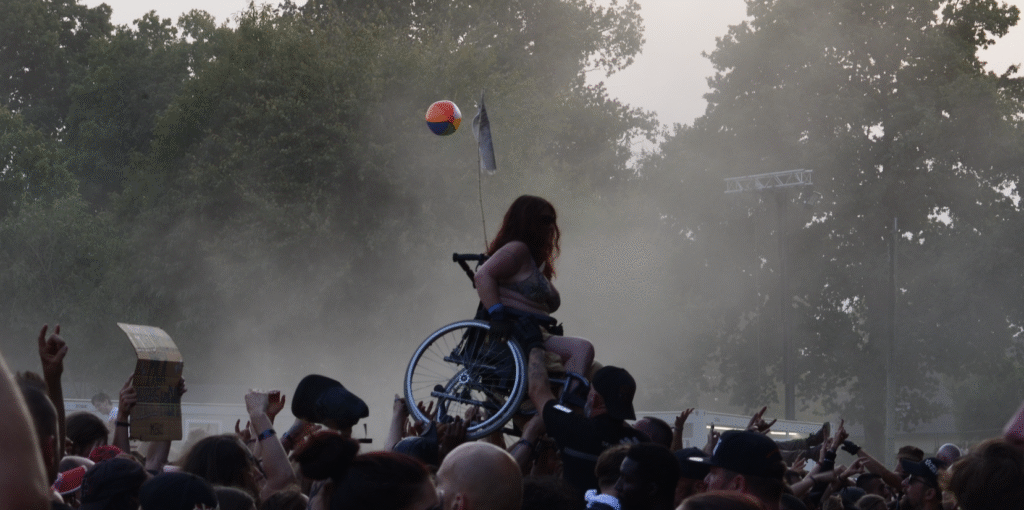
At some festivals, weather becomes part of the lineup. Motocultor 2026 was one of them. The image of Kerampuilh’s fields covered in dust, festivalgoers shielding their faces and unusually high temperatures throughout much of the event became one of the defining visual memories of this edition.
Brittany is usually associated with unpredictable rain, moderate temperatures and skies that can change several times throughout the day. Yet the opening days of the festival were marked by unusually warm and dry conditions, creating clouds of dust across walkways and in front of the stages. Many attendees resorted to scarves or other coverings to protect themselves, while finding shade and resting areas became part of the daily festival routine.
The covered stages consequently became more than just concert venues. They offered shelter from the weather, although the combination of heat and crowds could also make them demanding environments. The festival highlighted an increasingly important challenge for European outdoor events: adapting infrastructure and operations to weather patterns that are becoming less predictable.
A lineup that went beyond the headline names
One of Motocultor’s strongest arguments remains the breadth of its programming. The festival does not rely exclusively on major acts to establish its identity. The coexistence of classic heavy metal, thrash, hardcore, death metal, black metal, metalcore, doom, industrial music, punk and experimental sounds remains one of its defining characteristics.
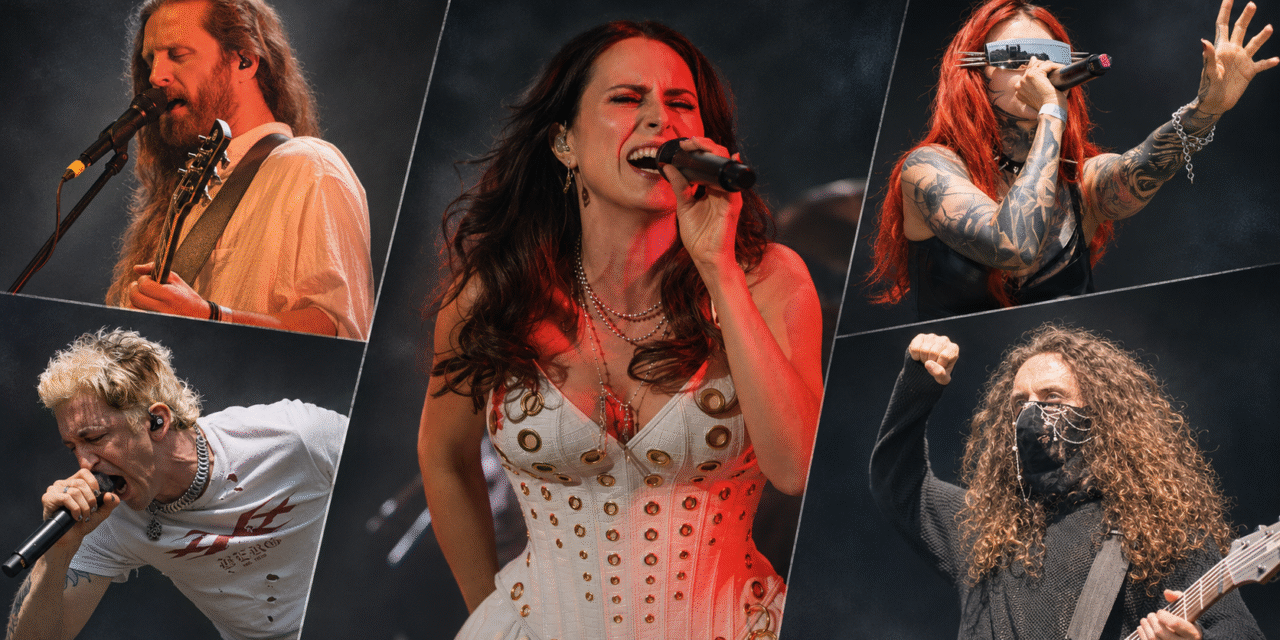
In this edition, Judas Priest, Godsmack, Primus, Emperor, Paradise Lost, Slaughter to Prevail, Within Temptation, Airbourne and Arch Enemy brought considerable international weight to the lineup. But alongside them, the festival continued to make room for less commercially established bands and artists capable of introducing audiences to new musical territory.
That balance is arguably one of Motocultor’s most important strengths. The festival does not appear interested in building a lineup exclusively around nostalgia or turning itself into a succession of blockbuster names. Its stylistic variety gives each day a distinct character and allows audiences to alternate between established acts, more extreme performances and unexpected discoveries.
Thursday, August 13: opening with a statement of intent
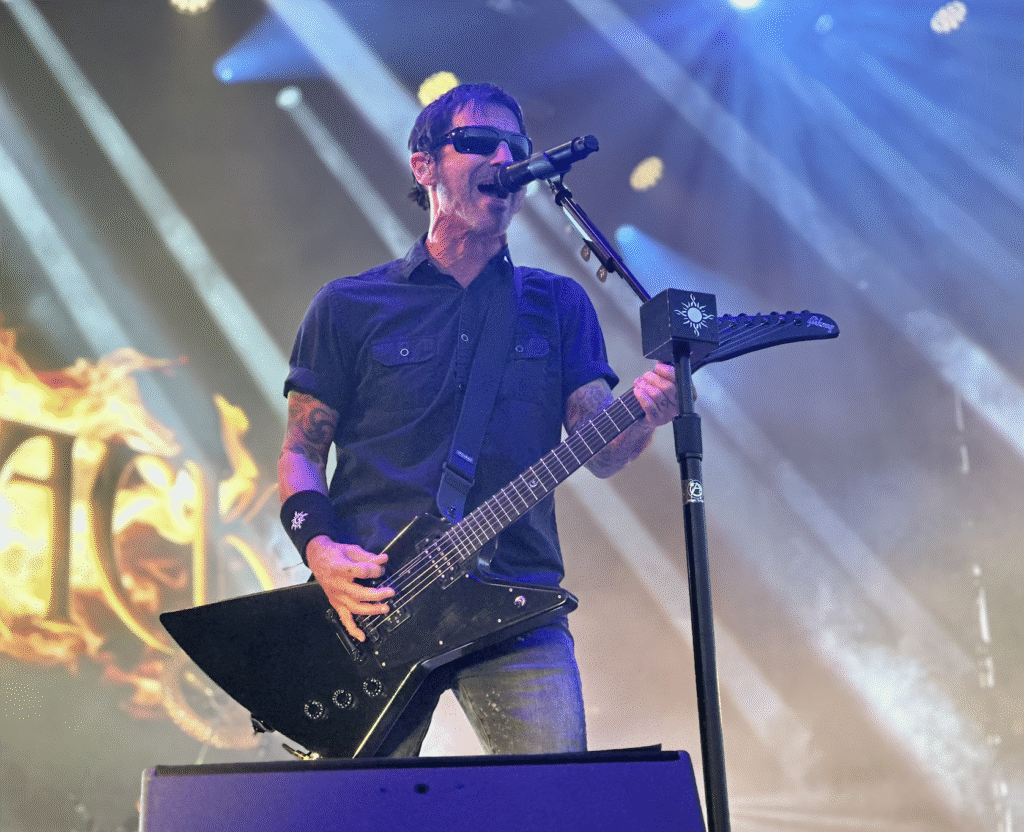
The opening day made it clear that Motocultor did not need to wait until the weekend to demonstrate its ambitions. Godsmack and Primus were among Thursday’s major attractions, alongside Death Angel, Unearth, Municipal Waste, Amenra, Gaerea, Bloodbath, Kittie and 200 Stab Wounds.
The combination was particularly representative of the festival’s approach: established international acts alongside bands representing different generations and corners of contemporary metal.
Municipal Waste brought the irreverent, fast-paced spirit of thrash, while Death Angel represented the enduring legacy of a genre that has remained relevant for decades. Amenra, with its atmospheric and emotionally driven approach, offered a striking contrast to the brutality of some of the other performances.
The opening day also reinforced Motocultor’s willingness to embrace different musical expressions, something that is not always easy to achieve when dozens of bands share the same festival grounds.
Friday, August 14: darkness, intensity and diversity
Friday significantly raised the intensity of the programming. Emperor, Paradise Lost, Coroner, Slaughter to Prevail, Hellripper, Bölzer, Chelsea Grin, Soen, Textures and Lord of the Lost, among others, created a schedule that forced festivalgoers to make difficult choices.
The coexistence of such different styles is part of Motocultor’s DNA. Emperor’s black metal, Soen’s progressive and atmospheric approach, Slaughter to Prevail’s contemporary brutality and Paradise Lost’s historical significance represented different ways of interpreting heavy music.
The festival also provided room for less widely known bands, creating a schedule that was not limited to the major time slots. This is precisely where Motocultor retains one of its most valuable qualities: the opportunity to discover a band you had never paid much attention to and eventually turn that performance into one of the weekend’s most memorable moments.
Saturday, August 15: the full spectrum of Motocultor
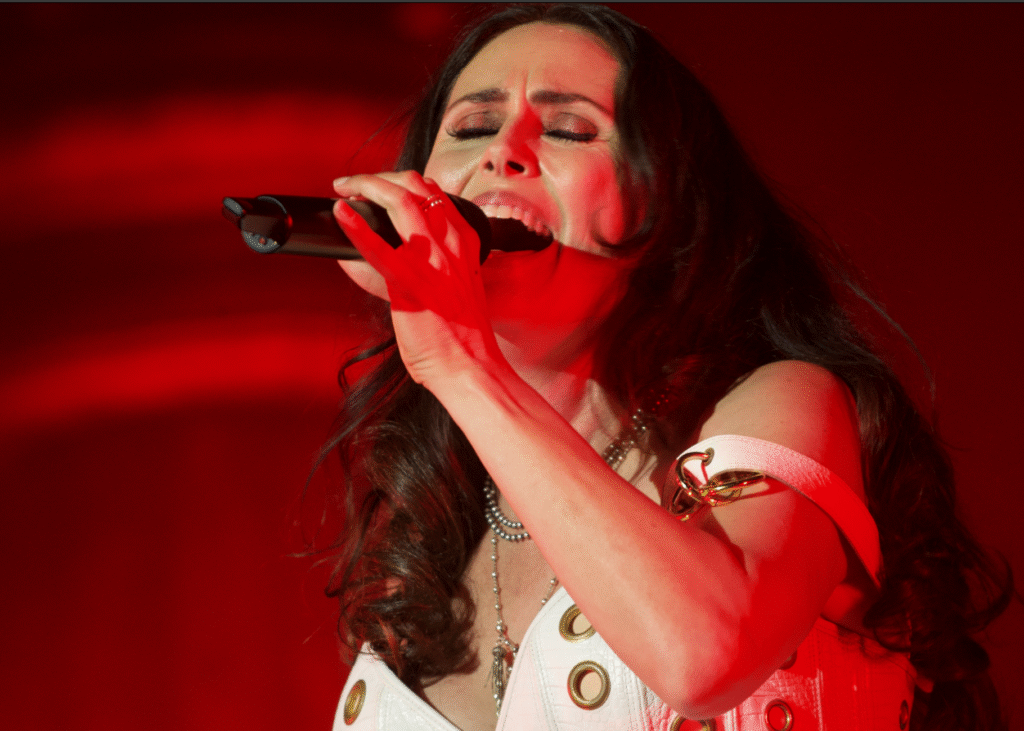
The third day once again demonstrated the festival’s stylistic breadth. Within Temptation, Nevermore, Leprous, Perturbator, Anaal Nathrakh, Eisbrecher, Omnium Gatherum, Orden Ogan, The Casualties, Slift and Nanowar of Steel were among the acts featured in a program spanning melodic metal, power metal, industrial music, punk and more extreme sounds.
Within Temptation represented one of the day’s major attractions, with its combination of symphonic metal, melody and large-scale production. Leprous brought a more progressive dimension, while Perturbator introduced the festival to its distinctive dark electronic universe.
The presence of such diverse acts also demonstrates how Motocultor has gradually developed an identity that is not dependent on a strict definition of metal. The festival operates within a broader musical culture in which genre boundaries are constantly crossed.
Sunday, August 16: a fitting farewell
Sunday brought together some of the most anticipated names of the edition. Judas Priest, Airbourne, Arch Enemy, Cryptopsy, Sacred Reich, Voivod, Deafheaven, Vader and Fit for an Autopsy, among others, brought four intense days of music to a close.
Judas Priest represented one of the festival’s major milestones. Their presence brought the historical weight of a band fundamental to the evolution of heavy metal, one whose influence transcends generations and musical styles.
Airbourne, with their direct energy and high-voltage rock approach, offered another highly anticipated performance. At the more aggressive end of the spectrum, Cryptopsy, Vader and Fit for an Autopsy helped maintain the day’s extreme character.
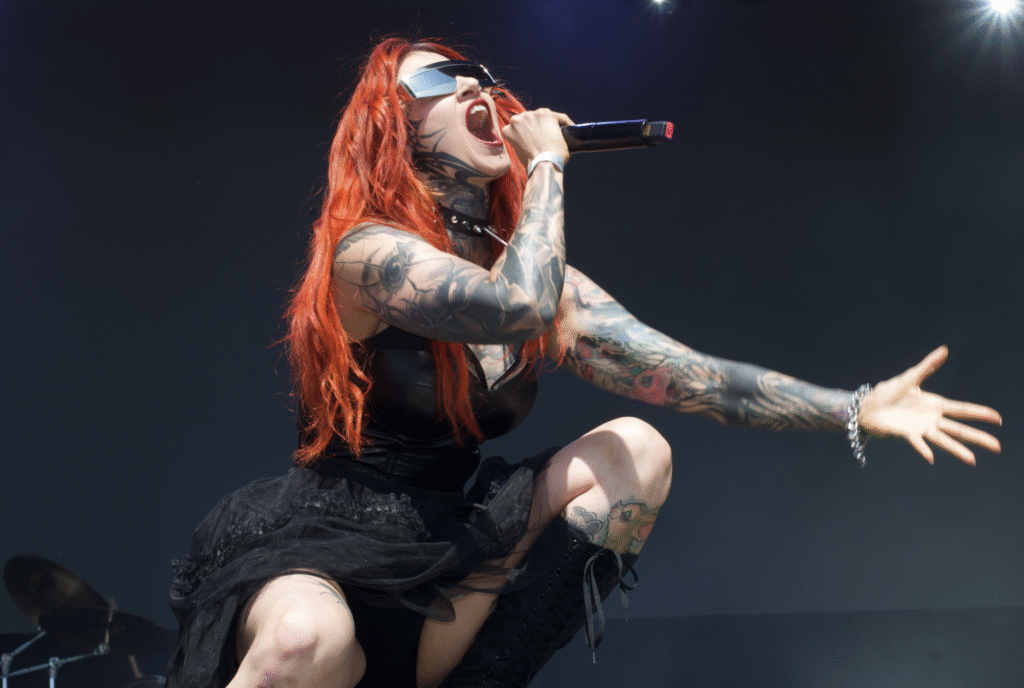
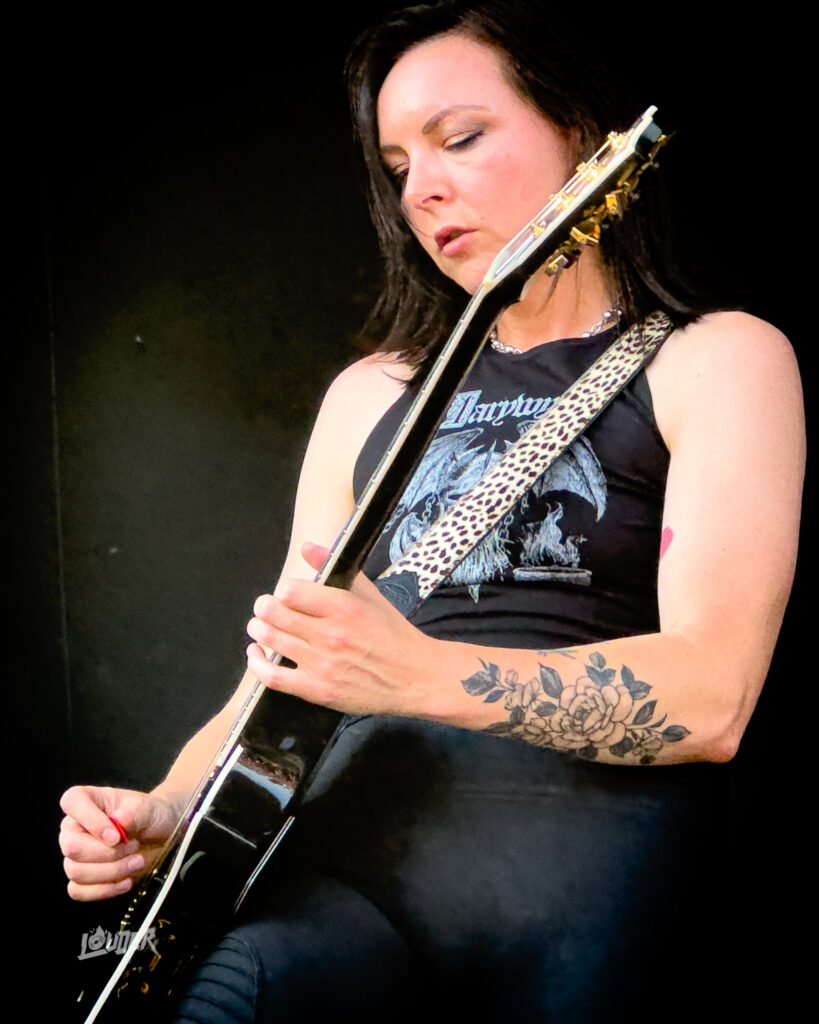
But Arch Enemy provided one of the most significant moments of the closing night. The Swedish band performed with Lauren Hart as its new vocalist, an addition that inevitably generated curiosity among fans. The performance represented a symbolic moment for the edition, showcasing a historic band entering a new chapter. The reception of the new singer and her stage presence became one of the highlights of the festival’s conclusion.
France carries the flag for Heavy Metal’s salvation army
If Motocultor 2026 made anything clear, it was that France does not need to look abroad to find a new generation of bands capable of making a convincing case for the future of metal. Beyond the international headliners dominating the main stages, several acts from the French scene demonstrated talent, individuality and a remarkable ability to perform in front of increasingly large audiences.
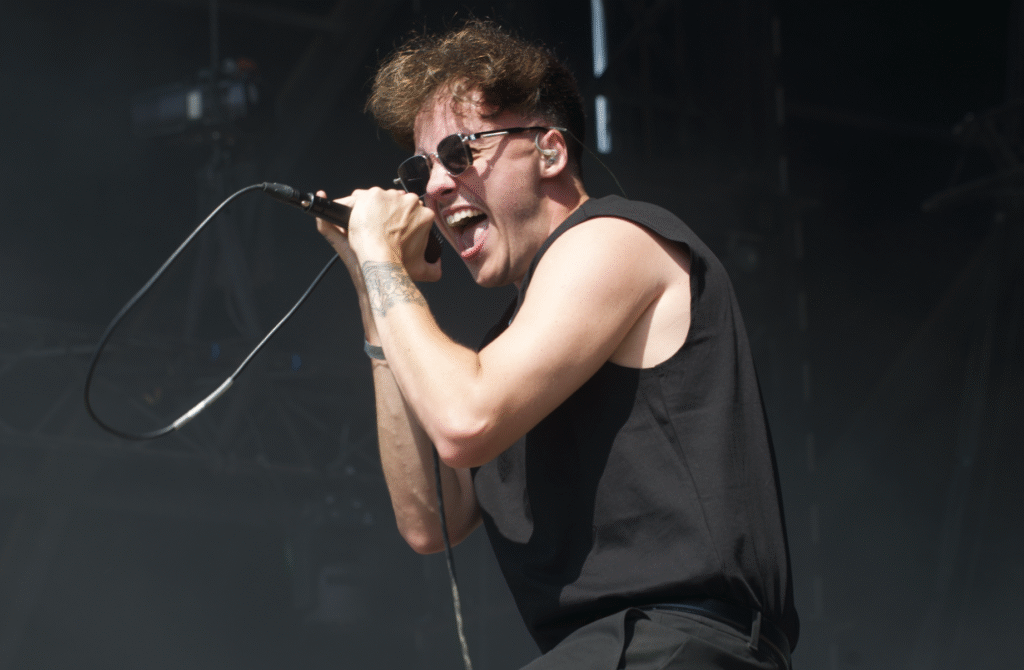
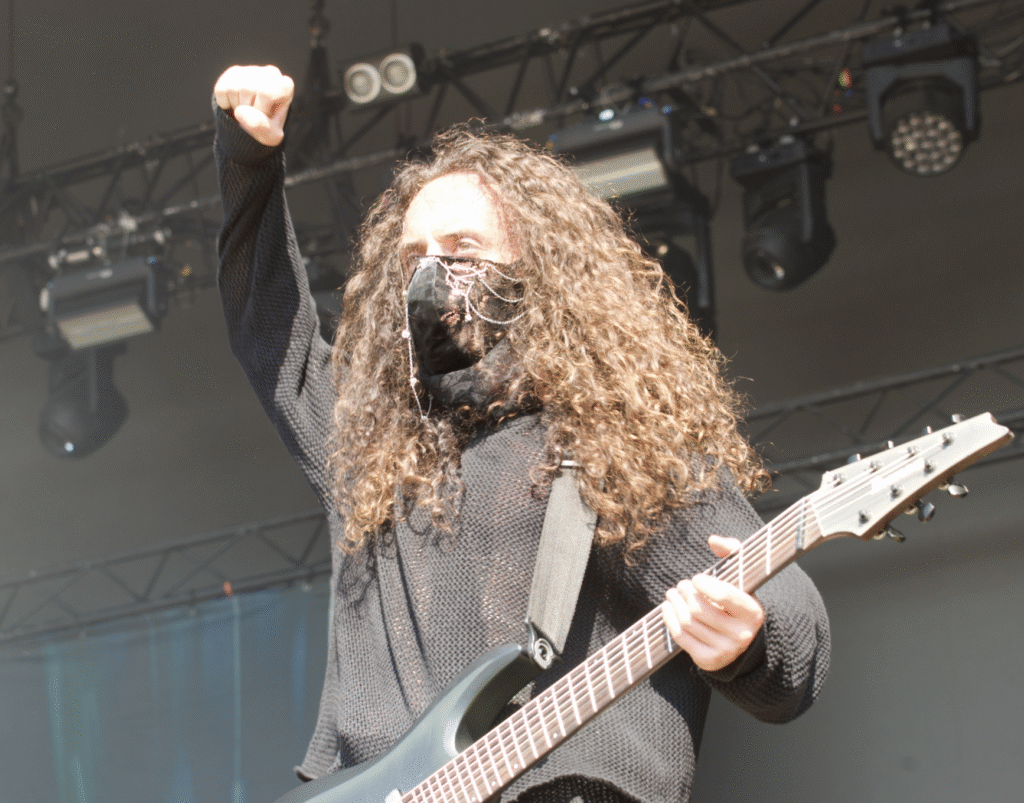
One of the most interesting examples was Ashen. The Parisian band arrived in Carhaix with a sound combining modern metalcore, nu metal influences, electronics, heavy riffs and a mixture of melodic vocals and aggressive delivery. Their Saturday performance on the Dave Mustage demonstrated a strong sense of cohesion and confidence, proving that the band knows how to make the most of a major festival stage. The combination of heavy riffs, accessible choruses and Clem’s versatile vocal performance helped the group connect with the audience quickly. Their rendition of Smells Like Teen Spirit also provided a recognizable and emotional moment within a performance that offered a convincing demonstration of the potential of this new generation of French metal bands.
Revnoir also deserves special recognition. The French band, operating within the darker, melodic and modern side of metalcore, attracted a considerable crowd in front of the Dave Mustage on Friday. Their performance was marked by powerful breakdowns, a combination of melancholic atmospheres and aggression, and an enthusiastic audience response, with walls of death reflecting the connection established with festivalgoers. The inclusion of Alchemised, featuring Carpenter Brut, added an interesting element to a set that demonstrated the band’s ambition and growing presence within the French scene. Although some reviewers were less enthusiastic about the performance, the show clearly received a positive response from a significant portion of the audience.
Friday also provided an opportunity to discover Ice Sealed Eyes, although in this case the band originates from Belgium rather than France. Their performance was one of the highlights of the second day’s opening. Combining metalcore, thall, djent, progressive elements and deathcore, the band delivered a heavy, emotional sound that was considerably less predictable than a generic description of the genre might suggest. The complexity of some of the band’s structures and their ability to generate movement in the audience, even under Carhaix’s heat and dust, helped make their appearance on the Dave Mustage one of the day’s most rewarding discoveries. Their presence also reinforces the idea that the renewal of European metal is not confined to a single country.
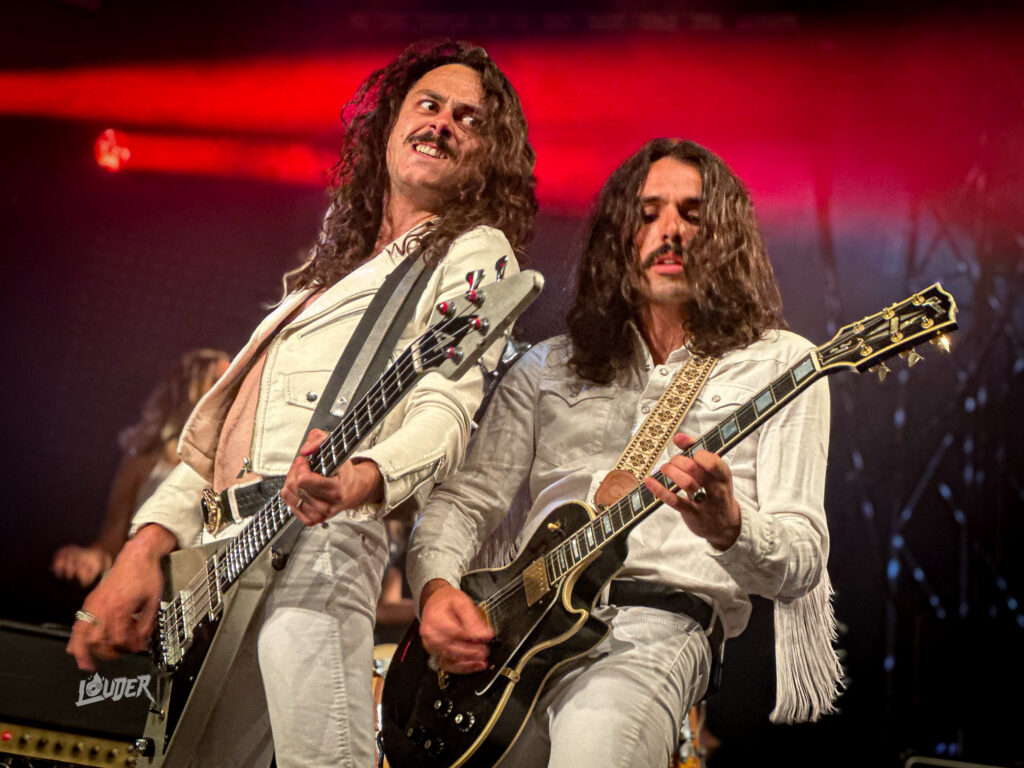
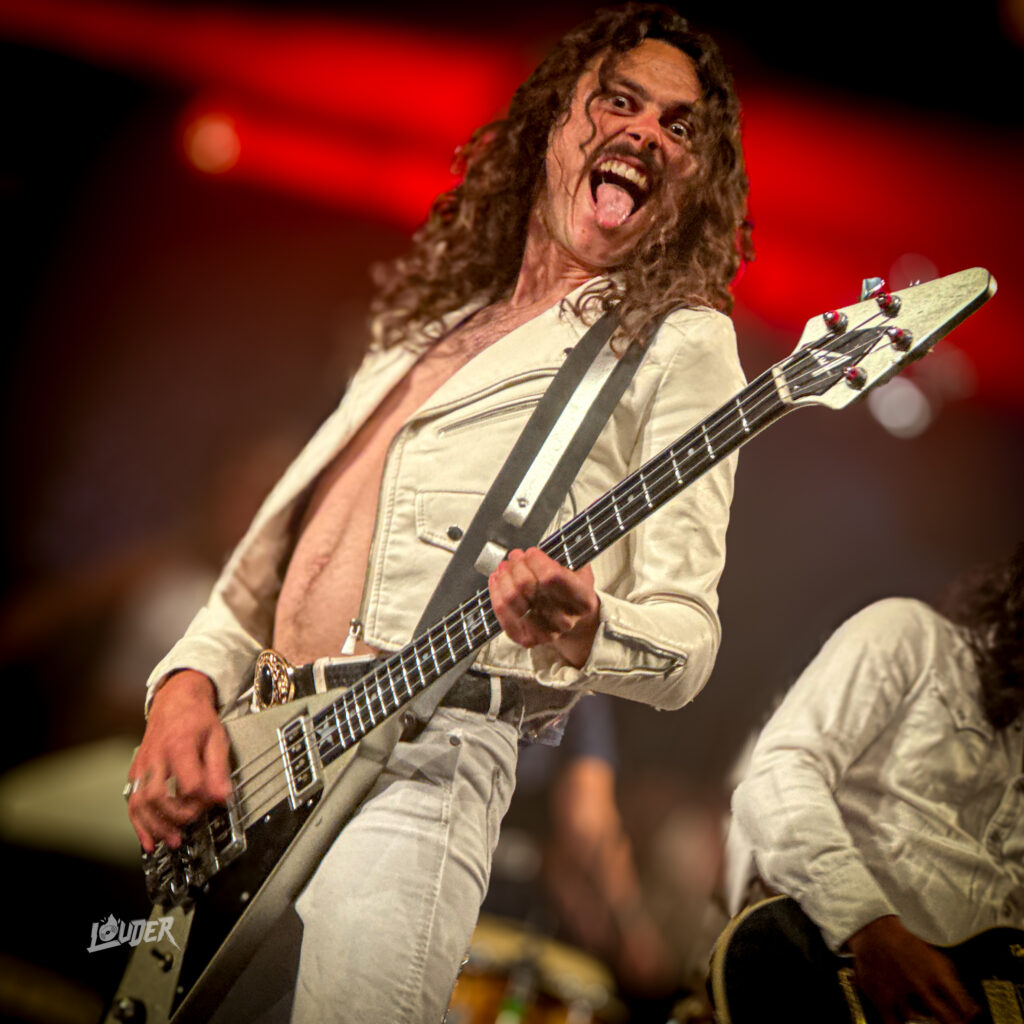
And if Motocultor’s programming also allows audiences to step beyond the strict boundaries of metal, Komodrag & The Mounodor offered a particularly good example. The union of both formations brought a genuine celebration of psychedelic rock, boogie and seventies-inspired sounds to the Bruce Dickinscène.
With an unusually large stage configuration featuring several guitars, keyboards, backing vocals and two drum kits, the concert became a festive, visually striking and musically expansive experience. The audience responded enthusiastically to a performance that did not need extreme metal aggression to generate energy, movement and a direct connection with festivalgoers. It was an especially entertaining way to conclude the first day and a reminder that the French scene can embrace its rock roots without necessarily falling into nostalgia.
These four acts, despite their stylistic and geographical differences, reflect something important: European metal continues to thrive through local scenes with their own identities. France, in particular, has developed an ecosystem of bands over the past few years that deserves considerably more attention beyond its borders. Motocultor is not merely a showcase for international heavyweights; it is also a platform for discovery, and in 2026 several performances reminded us that the future of the genre may quite literally be waiting on the next stage.
A festival seeking growth without losing its scale
Motocultor 2026 welcomed approximately 61,000 attendees over four days, placing it among its most successful editions in terms of attendance, although slightly below the previous year’s record. The organizers continue to favor a relatively controlled capacity, aiming to preserve an experience that is less overcrowded than some of Europe’s largest festivals.
The size of the grounds, the stage layout and the ability to move between different areas remain important elements of the festival’s appeal. The experience, however, is not entirely free of challenges. Weather conditions, distances between certain accommodation and parking areas, dust and some logistical issues were also among the aspects noted in assessments of the edition.
The festival has also strengthened its focus on preventing sexist and sexual violence, through awareness initiatives and trained personnel prepared to intervene and assist attendees. This is an increasingly important aspect of the organization of major music events.
The 2026 edition was not perfect. Heat, dust and logistical challenges reminded everyone that a festival experience depends on far more than its concerts. Yet Motocultor managed to preserve what is probably its greatest asset: a diverse lineup, a strong metal identity and a scale that still allows people to feel they are attending a festival rather than simply navigating a massive entertainment operation.
Motocultor seems to have found something more than a new home at Kerampuilh. It has found a place from which it can continue to grow without entirely abandoning the qualities that made it one of the most appealing events on the European metal calendar.